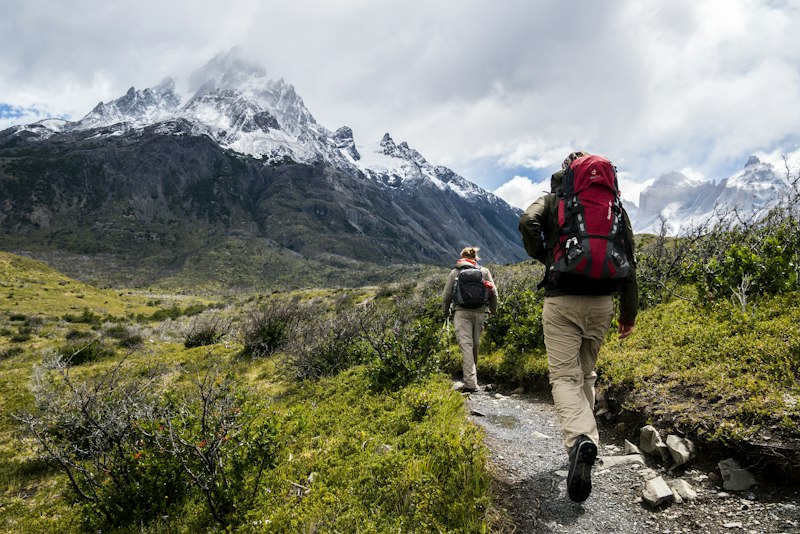
What began as a single guide and a handful of trails has evolved into a collective of wilderness professionals who share a common philosophy about how people should experience natural spaces.
In 2009, a group of backcountry guides working independently across British Columbia realized they were all dealing with the same frustration: tour operators prioritizing volume over experience quality.
They pooled resources to create an alternative model. Small groups. Slower pace. Routes chosen for ecological significance rather than Instagram potential. Guides who actually lived in the regions they led tours through.
The first season saw twenty-three participants. Word spread through outdoor forums and mountaineering clubs. By the third year, demand exceeded capacity, forcing decisions about growth versus maintaining the original vision.
We chose the latter. Instead of scaling up, we trained additional guides using the same selection criteria: regional knowledge, wilderness first responder certification, and a demonstrated commitment to low-impact practices.
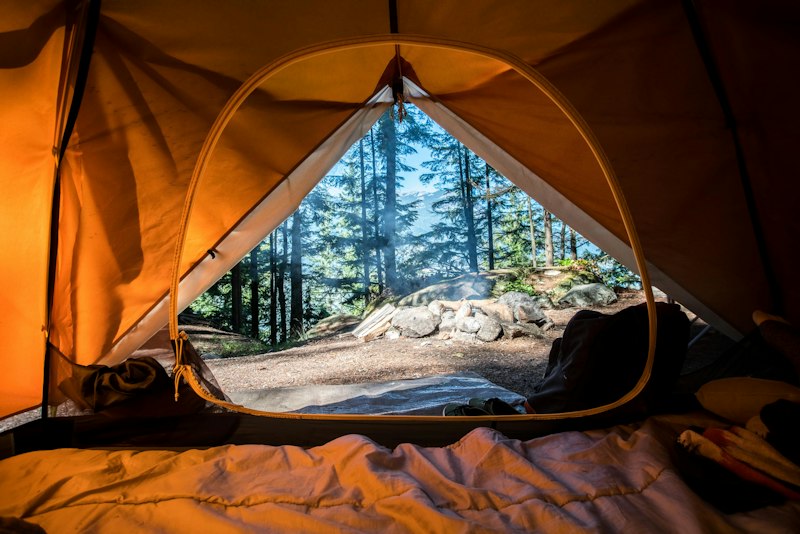
Every guide has spent years in their operating territory. They know seasonal weather patterns, wildlife migration routes, and which trails become impassable in shoulder seasons. This knowledge cannot be taught in a weekend certification course.
We partner with conservation groups and allocate a portion of revenue to habitat restoration projects. Our route planning considers wildlife breeding seasons, and we limit group sizes to minimize trail degradation.
No manufactured moments or staged photo opportunities. What you encounter depends on weather, season, and chance. Some trips include incredible wildlife sightings. Others offer solitude and uninterrupted wilderness. Both have value.
Our guides average twelve years of field experience. Most hold wilderness first responder or wilderness EMT certifications. Several have backgrounds in biology, ecology, or indigenous studies.
They're selected not just for technical skills, but for their ability to read group dynamics, adjust plans based on participant fitness levels, and communicate risk without creating anxiety.
Before leading trips independently, new guides complete a two-season mentorship program working alongside senior team members.